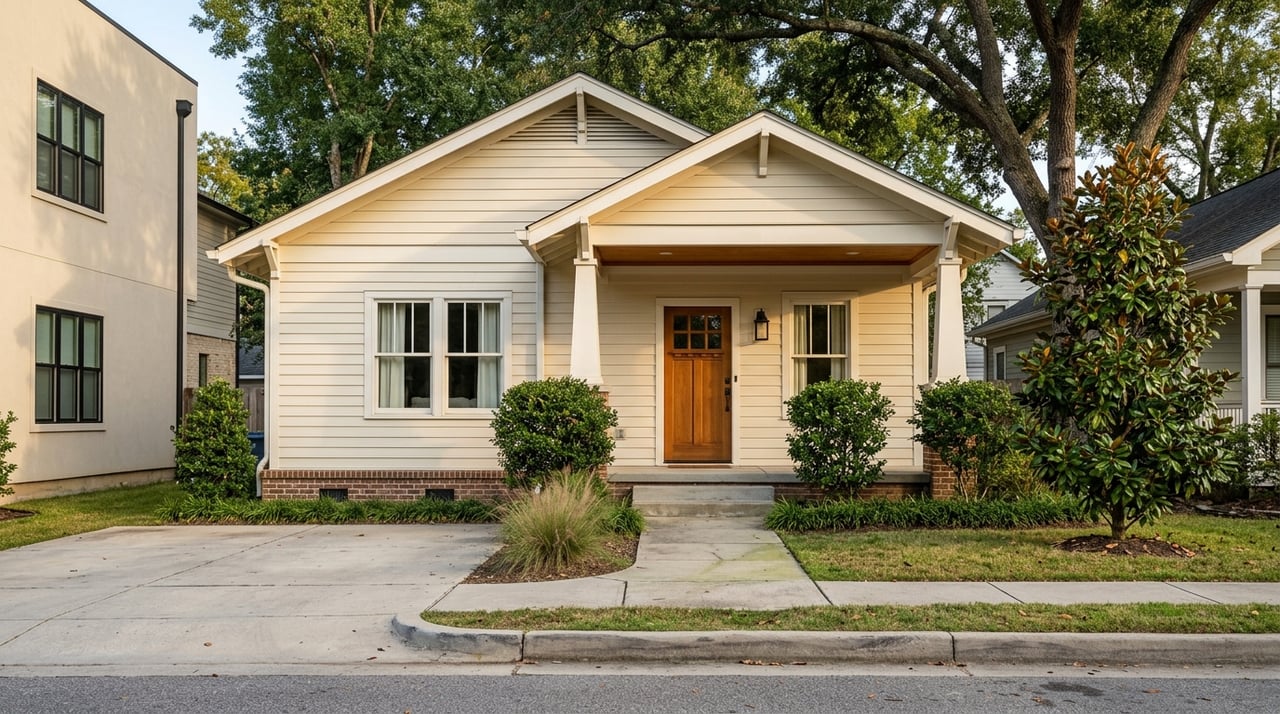
If you are trying to understand where Houston Heights fits in Houston’s Inner Loop, the short answer is this: it is a premium market, but not an unreachable one. You may already know the Heights for its historic homes, front porches, and close-in location, yet the numbers show a more complete story. When you look at pricing, inventory, housing stock, and sales pace together, you can see why this neighborhood continues to stand out for both buyers and sellers. Let’s dive in.
Houston Heights in the Inner Loop
Houston Heights sits in a strong middle position within Houston’s close-in market. In May 2026, the broader Heights/Greater Heights area posted a median sold price of $840,797, with 4.9 months of inventory and an average of 35.2 days on market.
That puts the Heights far above Houston’s citywide median sold price of $349,000, but still below some of the Inner Loop’s highest-priced areas. It also suggests a market that remains active and fairly liquid, not one that is stalled or overly niche.
How Heights pricing compares
When you compare Houston Heights with other close-in neighborhoods, the price story becomes clearer. It is slightly below Montrose on median sold price, well below Rice/Museum District, West University/Southside, and River Oaks, and much higher than Houston overall.
Here is what that looks like across several Inner Loop areas:
| Area | Median sold price | Months of inventory | Avg. days on market |
|---|---|---|---|
| Heights/Greater Heights | $840,797 | 4.9 | 35.2 |
| Montrose | $913,482 | 5.5 | 44.4 |
| Rice/Museum District | $1,373,926 | 6.4 | 39.6 |
| West University/Southside Area | $1,979,361 | 2.1 | 24.3 |
| River Oaks Area | $3,920,277 | 4.5 | 50.9 |
This is why Houston Heights is often best understood as a premium but still navigable market. You are not shopping at citywide pricing here, but you are also not stepping into the same price band as the Inner Loop’s most expensive enclaves.
Why Houston Heights feels different
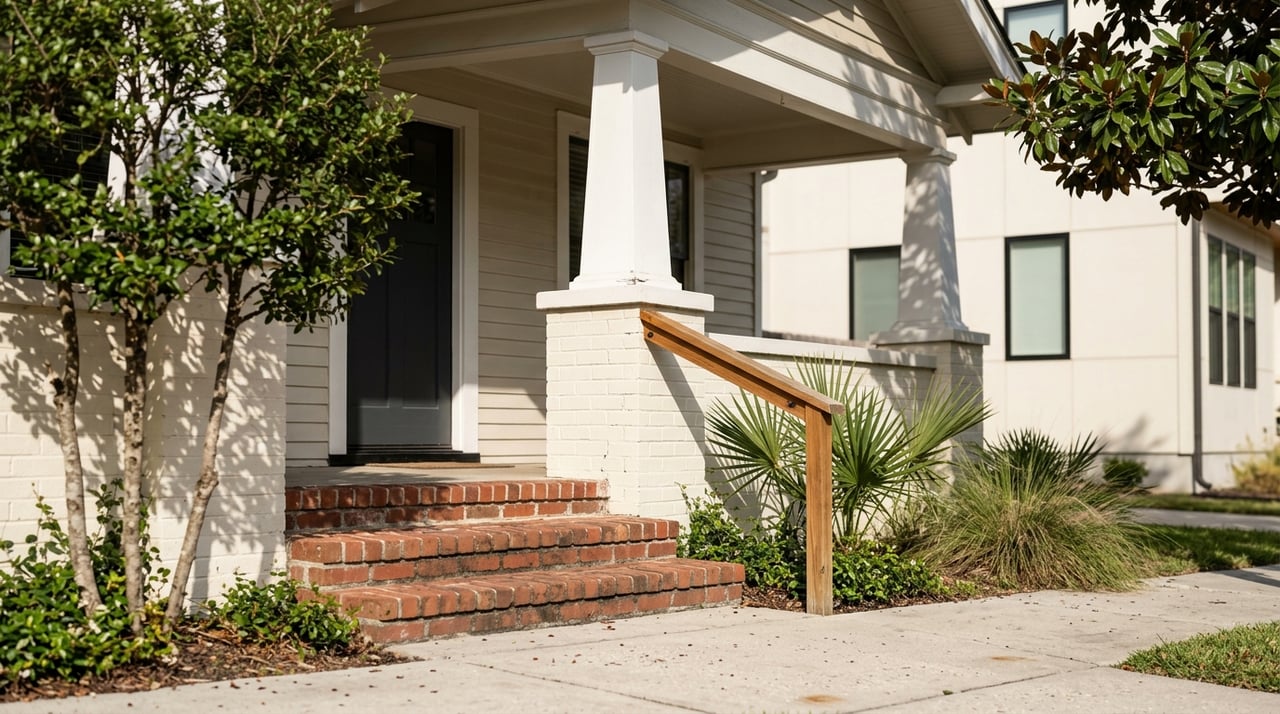
One reason the Heights behaves differently from other close-in neighborhoods is its housing mix. According to the City of Houston’s historic district guide, the area includes one- and two-story homes, many with wood siding, pier-and-beam construction, and prominent front porches.
The neighborhood is also known for architectural styles such as Craftsman, Queen Anne, Folk National, and Folk Victorian. Craftsman bungalows were especially common from 1905 to 1925, which still shapes the area’s visual identity today.
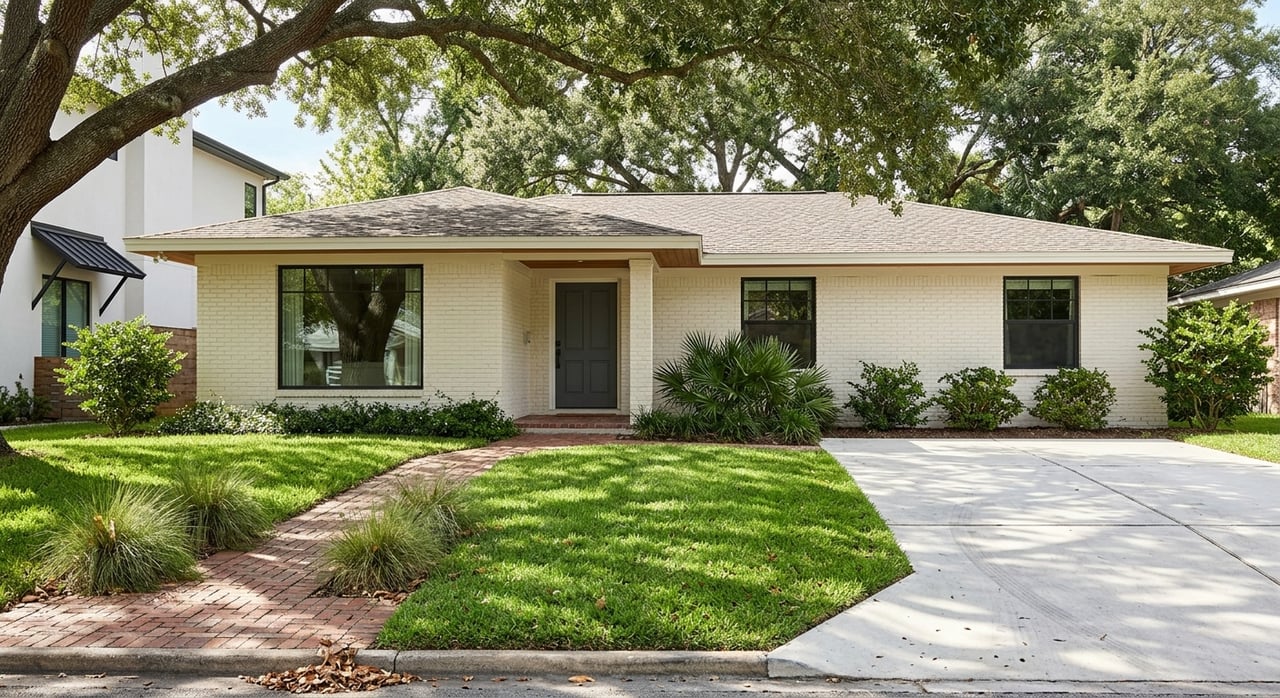
At the same time, Houston Heights is not just a collection of historic bungalows. The housing stock also includes renovated older homes, townhomes, apartments, and newer infill development, which gives the market more variety than many buyers first expect.
Lot patterns and housing stock matter
In Houston Heights, price is not driven by square footage alone. Lot size, lot shape, level of renovation, and historic character can all have a major impact on value.
The City of Houston notes that some of the area’s smaller 33-foot-wide lots were later combined. That history helps explain why homes with similar bedroom counts can still vary widely in price depending on the site and the overall presentation.
HAR’s neighborhood facts panel reinforces this point. Houston Heights shows 3,958 single-family properties, a median year built of 1950, a median lot size of 6,550 square feet, and a median home size of 2,284 square feet.
Those numbers suggest an older, established housing base with meaningful lot depth, while still leaving room for selective redevelopment and infill. In practical terms, that means you are looking at a market with layers, not a one-size-fits-all neighborhood.
How the Heights compares by housing profile
The Heights stands apart from several nearby areas because of its mix of age, lot size, and single-family depth. Compared with Montrose, it has a much larger single-family base and generally larger lots.
Compared with West University Place and River Oaks, Houston Heights tends to offer smaller homes and a more varied age profile. That makes it feel more character-driven and less uniform in its housing stock.
| Area | Single-family properties | Median year built | Median lot size | Median home size |
|---|---|---|---|---|
| Houston Heights | 3,958 | 1950 | 6,550 sq ft | 2,284 sq ft |
| Montrose | 481 | 1972 | 3,925 sq ft | 2,145 sq ft |
| West University Place | 1,254 | 1990 | 7,500 sq ft | 4,142 sq ft |
| River Oaks | 1,273 | 1950 | 11,453 sq ft | 4,946 sq ft |
For buyers, this variety can be a real advantage. You have more than one path into the neighborhood, whether you are focused on historic charm, updated homes, townhouse living, or infill opportunities.
What the current sales pace tells you
The Heights is active, but not extreme. With 4.9 months of inventory and an average of 35.2 days on market in May 2026, the broader Heights/Greater Heights market looks balanced.
That is an important distinction. A balanced market gives buyers some room to evaluate options, while still rewarding sellers who price and prepare their homes well.
Listings were also down 13.4% year over year, which points to somewhat tighter supply. Even so, the market is not moving at the compressed pace seen in some tighter Inner Loop pockets.
How Houston Heights compares on pace
Compared with nearby competitors, Houston Heights sits in the middle band for market speed. It is quicker than Montrose and River Oaks, but not as fast as West University/Southside.
That balance is part of the neighborhood’s appeal. It supports the idea that the Heights is a desirable market with real turnover, not just a high-priced area where homes linger.
For buyers, that means you should still be ready when the right property appears. For sellers, it means demand is there, but pricing discipline still matters.
What this means if you are buying
If you are considering Houston Heights, you are looking at a neighborhood that offers a strong blend of location, housing variety, and market depth. It is more expensive than the city as a whole, but it is still more accessible than several of Houston’s highest-priced Inner Loop markets.
You also need to look beyond headline numbers. In the Heights, two homes with similar square footage can command very different prices based on block, lot configuration, age, updates, and architectural appeal.
That makes neighborhood-level guidance especially valuable. A buyer who understands submarket differences is in a better position to judge whether a listing is well positioned or overpriced.
What this means if you are selling
For sellers, Houston Heights remains a strong market, but it is not a place where any price will work. With an average marketing window of about five weeks, buyers are still responding to value, condition, and presentation.
That is why preparation matters so much here. In a neighborhood where character, lot patterns, and renovation quality carry real weight, thoughtful pricing and a polished launch can make a meaningful difference.
This is also where a more analytical approach helps. When a market includes historic homes, infill construction, townhomes, and updated older properties, sellers benefit from strategy that goes deeper than simple price-per-square-foot math.
Why Houston Heights keeps its edge
Houston Heights holds a unique position in the Inner Loop because it combines premium pricing with a more flexible housing mix than many close-in competitors. It offers historic appeal, meaningful single-family inventory, and enough market activity to remain practical for a wide range of buyers and sellers.
That combination is hard to replicate. The Heights is not the cheapest Inner Loop option, and it is not the most expensive, but it continues to offer a compelling middle ground between character, convenience, and market liquidity.
If you are planning a move in Houston Heights or comparing it with other Inner Loop neighborhoods, working with someone who understands both the data and the block-by-block differences can help you move with more confidence. To talk through your next step, connect with Yenny Mattei.
FAQs
How does Houston Heights compare to other Inner Loop neighborhoods on price?
- Houston Heights is priced above Houston overall, slightly below Montrose, and well below higher-priced areas like West University/Southside and River Oaks based on May 2026 median sold price data.
Is Houston Heights considered a fast-moving real estate market?
- Houston Heights is best described as balanced, with 4.9 months of inventory and an average of 35.2 days on market in May 2026, which is active but not extreme.
What types of homes are common in Houston Heights?
- Houston Heights includes historic bungalows, renovated older homes, newer infill homes, townhomes, apartments, and other mixed housing types, with many older homes reflecting Craftsman and other early architectural styles.
Why can Houston Heights home prices vary so much?
- Prices can vary widely because value in Houston Heights is influenced by lot size, lot shape, historic character, renovation quality, and housing type, not just bedroom count or square footage.
Is Houston Heights only a historic bungalow neighborhood?
- No. While historic homes are a major part of the area’s identity, the market also includes newer infill, townhouse product, and other housing options that create multiple submarkets within the neighborhood.
What should sellers know about listing a home in Houston Heights?
- Sellers should know that pricing discipline and strong presentation matter, since the market is desirable but balanced, and overpricing can slow a listing even in a sought-after neighborhood.